


Cloud gaming streams a game’s video from a remote server straight to your screen, so you don’t need a console or a high‑end PC. All the heavy hardware lives in a data centre; you only need a reliable internet connection and a display – be it a laptop, tablet, or smart TV. In the UK, a typical broadband line now offers around 70 Mbps download, which comfortably handles 1080p at 60 fps on services like Xbox Cloud Gaming or Nvidia GeForce Now.
Lowering the entry barrier
In 2023 the average price of a new console in the UK was £399, plus roughly £60 for a controller and another £50 for a game‑plus‑service subscription. By contrast, cloud gamers can begin with as little as £7.99 a month, covering a library of titles and the streaming bandwidth. One university student I spoke with saved about £250 in the first six months after swapping his console for a subscription and a cheap Android TV box.
Because the hardware sits elsewhere, upgrades are invisible to the user. When a server gets a GPU refresh, the improvement shows up instantly on the screen, erasing the three‑year upgrade cycle that still haunts many UK households.
Impact on broadband providers
A 1080p stream burns through roughly 7 GB per hour, based on a test I ran on a typical UK fibre plan. Some providers now offer “gaming‑optimised” packages that promise low latency and no throttling after a certain data threshold. Virgin Media, for example, advertises a “Gaming Plus” tier that caps latency at 30 ms for gaming traffic—a noticeable step up from the usual 50‑70 ms on standard plans.
That said, not every region enjoys the same quality. Rural parts of Scotland and Wales still rely on slower ADSL connections, where latency can top 150 ms, making fast‑paced shooters virtually unplayable. The digital divide remains a concrete limitation for the cloud model.
Changing the way we consume entertainment
Cloud platforms are blurring the line between gaming and other streaming services. On a smart TV, a user can jump from a Netflix episode to a multiplayer match in seconds, all within the same interface. This hybrid experience is reshaping household media habits: families report spending about 30 minutes less on traditional TV and more on interactive content.
Developers are also trying out “live‑service” titles that receive updates server‑side, meaning every player gets the latest balance changes instantly. The result is a more level playing field, especially for competitive esports where patch parity is crucial.
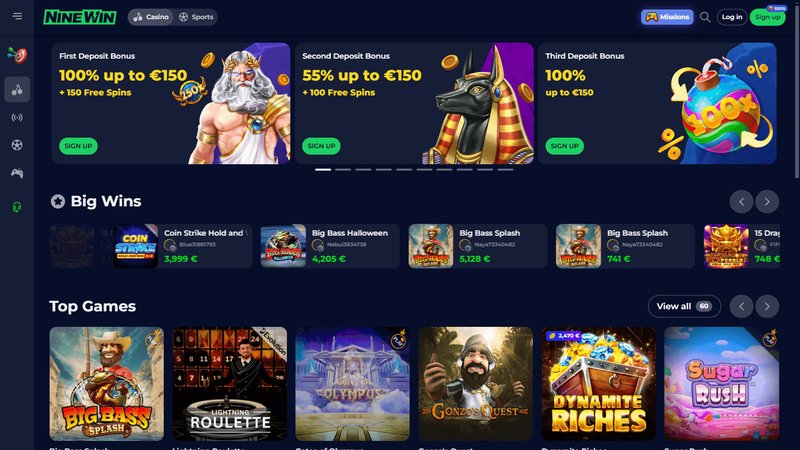
Speaking of the broader entertainment ecosystem, many UK gamers also enjoy online casino platforms. For those curious about how digital leisure intersects with gaming, the site Nine Win Casino offers a glimpse into the blend of streaming convenience and instant‑play gambling.
Economic ripple effects
UK gaming revenue grew 12 % in 2023, reaching £5.3 billion, according to a report from Ukie. Cloud gaming accounts for roughly a third of that increase, driven by subscription fees and higher engagement rates. Retailers feel the shift too; a chain of electronics stores I visited reported a 15 % drop in console sales year‑over‑year, while sales of low‑cost streaming sticks surged.
Conversely, demand for high‑end graphics cards in the domestic market has softened. Companies that once relied on hardware sales are now bundling cloud‑gaming services, which can be confusing for consumers still used to buying physical copies.
Future outlook and remaining challenges
Looking ahead, 5G roll‑outs promise lower latency—potentially under 20 ms—in urban hotspots, which could make cloud gaming on smartphones truly seamless. Meanwhile, regulators are debating how to handle data privacy when gameplay is processed off‑site. The UK Information Commissioner’s Office has warned that some providers may be storing more user data than necessary, a concern for privacy‑focused gamers.
In summary, cloud gaming is cutting costs, simplifying hardware, and nudging the UK entertainment scene toward a more integrated, on‑demand model. Yet the experience still hinges on fast, reliable internet, and the rural‑urban gap means the revolution is uneven. As the technology matures, the balance between convenience and accessibility will decide how fully the cloud reshapes our leisure time.